Discover the Benefits of Dental Implants Today: Comprehensive Implant Procedure and Patient Care
Dental Implants
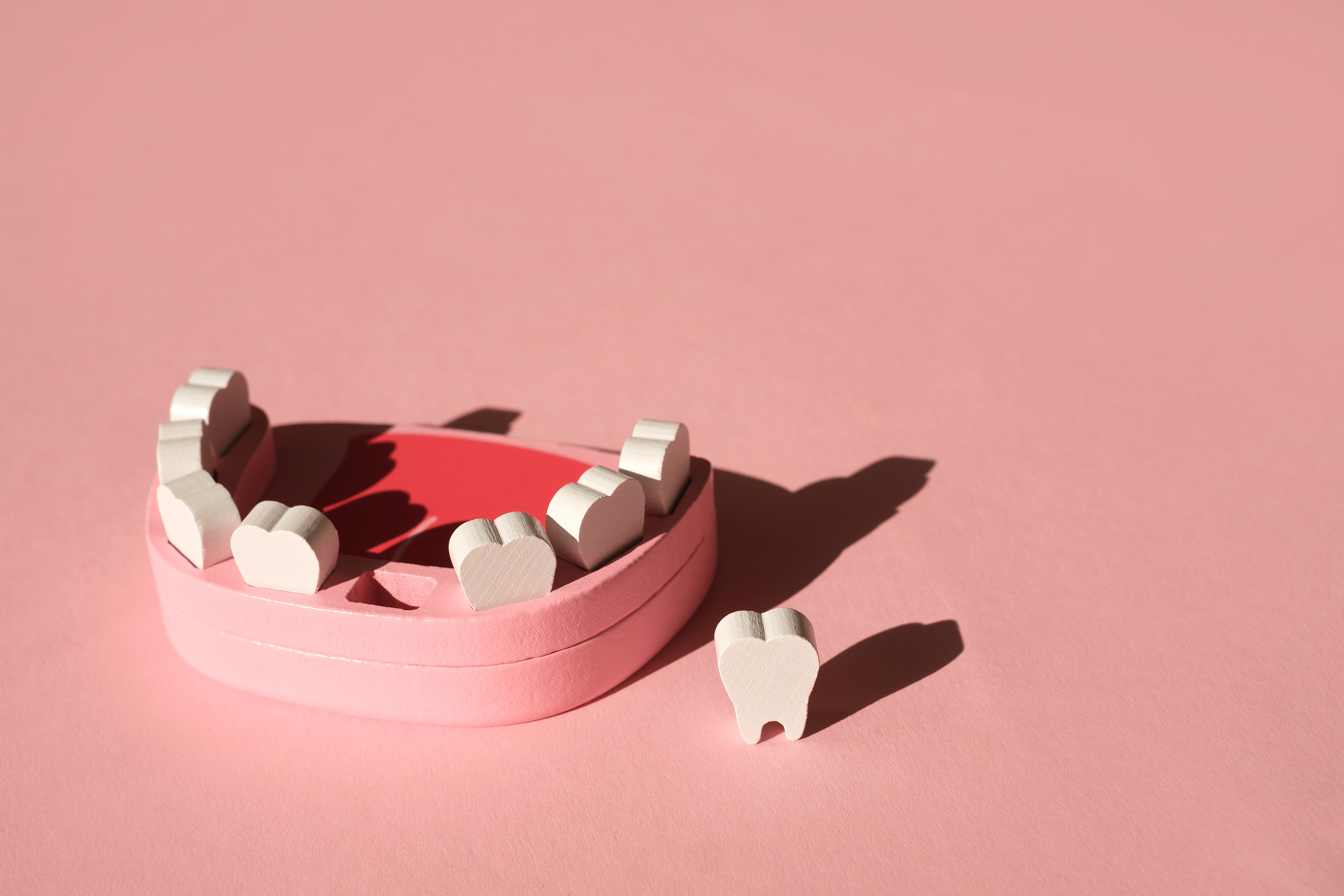
Dental implants present a revolutionary solution for individuals facing tooth loss, offering a durable and effective way to restore oral functionality and aesthetics. In this article, we will explore the various aspects of dental implants, ranging from their benefits and the implant procedure to the necessary patient care afterwards. Whether you're considering implants for their natural appearance, improved chewing ability, or for boosting confidence, this comprehensive guide will provide the clarity needed to make informed decisions. Understanding the key advantages of dental implants, how they facilitate daily activities, and the types available can empower patients. We will also delve into the specifics of the implant procedure, what to expect during recovery, and types of implants to consider, ensuring a well-rounded overview of this increasingly popular dental solution.
Benefits of Dental Implants
Dental implants offer numerous advantages that significantly enhance the quality of life for individuals experiencing tooth loss. Unlike traditional dentures, implants provide a secure and permanent solution that mimics the look and function of natural teeth.
Natural Feel and Look: Dental implants are designed to resemble natural teeth, providing not only aesthetic appeal but also restoring confidence in one's smile.
Improved Oral Health: By replacing missing teeth, implants help maintain the alignment of surrounding teeth, preventing further dental issues and potential complications.
Long-term Durability: Implants are made from high-quality materials like titanium, ensuring longevity and resilience in everyday use.
The benefits extend beyond aesthetics, impacting overall oral health and daily functionality. As a full-service dental practice, Middletown Dental Care offers comprehensive oral health services, including expert consultation for dental implants.
Key Advantages of Dental Implants for Oral Health
The pivotal advantage of dental implants lies in their contribution to improved oral health, functionality, and dental aesthetics. They promote functionality in daily life by allowing individuals to eat their favorite foods without restriction. Studies have shown that patients with implants report fewer issues with speaking compared to those with dentures. Furthermore, dental implants stave off the deterioration of jawbone density caused by missing teeth, which helps maintain facial structure over time. Enhanced aesthetics and oral health contribute to significant long-term health benefits, making dental implants a worthwhile investment.
How Do Dental Implants Improve Chewing Function and Speech?
Dental implants significantly enhance chewing function and speech clarity, making them superior to removable dentures. With the stability provided by implants, patients can enjoy a wider variety of foods without fear of discomfort or slippage. This stability ensures that individuals can communicate effectively, as they are less likely to suffer from speech impediments caused by poorly fitting dentures. Testimonials from patients often highlight how proudly they speak and eat without any apprehension, showcasing a noticeable improvement in their quality of life.
In What Ways Do Implants Enhance Appearance and Boost Confidence?
Beyond functional benefits, dental implants play a crucial role in enhancing personal appearance and boosting self-confidence. Many patients experience a psychological uplift due to the natural look of implants, leading to increased social engagement and interactions. The natural appearance of implants helps restore self-esteem, allowing individuals to smile without embarrassment. Moreover, studies indicate that individuals who invest in their smiles through implants often report a significant boost in self-image and personal satisfaction.
The Implant Procedure
Understanding the implant procedure is crucial for prospective patients. The process typically begins with a comprehensive consultation, where dental professionals assess the suitability of implants based on dental health and bone density. The surgical procedure involves placing a titanium post into the jawbone, serving as a root for the new tooth. After the post integrates with the bone in a healing phase, a crown is placed on top, resulting in a functional and aesthetically pleasing tooth restoration.
Patient Care
Post-implant care is essential for ensuring the longevity of dental implants. Patients are advised to maintain excellent oral hygiene practices, including regular brushing and flossing, much like natural teeth. Regular check-ups with dental professionals are necessary for monitoring the implants and addressing any potential issues early. Additionally, adopting a healthy lifestyle, including a balanced diet and avoiding tobacco products, can significantly enhance the implant's success and durability. For concerns regarding dental emergencies that might affect oral health, it's crucial to seek timely assistance from a dental emergency service.
Types of Dental Implants
Dental implants come in different types to serve various patient needs and anatomical considerations. Understanding these can help individuals make informed choices about their dental restorations.
Titanium Implants: These are the most common types, known for their strength and biocompatibility.
Zirconia Implants: An alternative for patients who prefer metal-free options, zirconia is known for its aesthetic appeal and lower risk of corrosion.
Specialized Implants: These include mini implants and All-on-4 techniques, recommended for patients with limited bone structure or needing full-arch restoration.
Type of Implant | Material | Durability |
|---|---|---|
Titanium Implants | Titanium | High |
Zirconia Implants | Zirconia | Moderate |
Mini Implants | Titanium | Moderate to High |
This table outlines different types of implants and their respective materials and durability, providing a quick comparison for patients considering their options.
How Do Titanium and Zirconia Implants Compare in Durability and Biocompatibility?
Titanium implants, recognized for their unparalleled strength, suit most patients due to their durability. Zirconia implants, while aesthetically appealing, offer moderate strength but are preferred by those with metal sensitivities. Each material has unique benefits, and understanding these distinctions plays a crucial role in making the right choice for dental restoration.
When Are Specialized Implants Like Mini or All-on-4 Recommended?
Specialized implants are often used when conventional implants may not be viable due to bone loss or other anatomical challenges. Mini implants are particularly beneficial for patients who require a less invasive procedure, while All-on-4 is ideal for those who need complete upper or lower arch replacements. Specific case studies highlight how these innovative approaches have transformed patients' lives, providing secure and stable dental solutions.
For those seeking alternatives to traditional braces, and to achieve a straighter smile without the use of metal, Invisalign treatments offer a modern solution. Similarly, for comprehensive oral care and routine check-ups, consulting with a provider of general dentistry services is essential for maintaining long-term oral hygiene and health.
It's also important to be aware of procedures related to wisdom teeth extractions, as their removal is a common procedure for many individuals. Finally, for any questions or to schedule a consultation regarding dental services, contacting the practice directly through their contact us page is the best approach.
FAQ
Answers to your questions
Get quick, clear information about our services, appointments, support, and more
How do I book an appointment?
Do you accept walk-in patients?
What should I bring for my first visit?
Are your doctors licensed and experienced?
Can I reschedule or cancel my appointment?
Do you accept health insurance?
FAQ
Answers to your questions
Get quick, clear information about our services, appointments, support, and more
How do I book an appointment?
Do you accept walk-in patients?
What should I bring for my first visit?
Are your doctors licensed and experienced?
Can I reschedule or cancel my appointment?
Do you accept health insurance?
FAQ
Answers to your questions
Get quick, clear information about our services, appointments, support, and more
How do I book an appointment?
Do you accept walk-in patients?
What should I bring for my first visit?
Are your doctors licensed and experienced?
Can I reschedule or cancel my appointment?
Do you accept health insurance?
Areas We Serve
Serving neighboring Delaware and Maryland communities from our Middletown office.