Understanding Sedation Dentistry Options in Middletown: Types, Benefits, and Patient Guidance
Sedation Dentistry
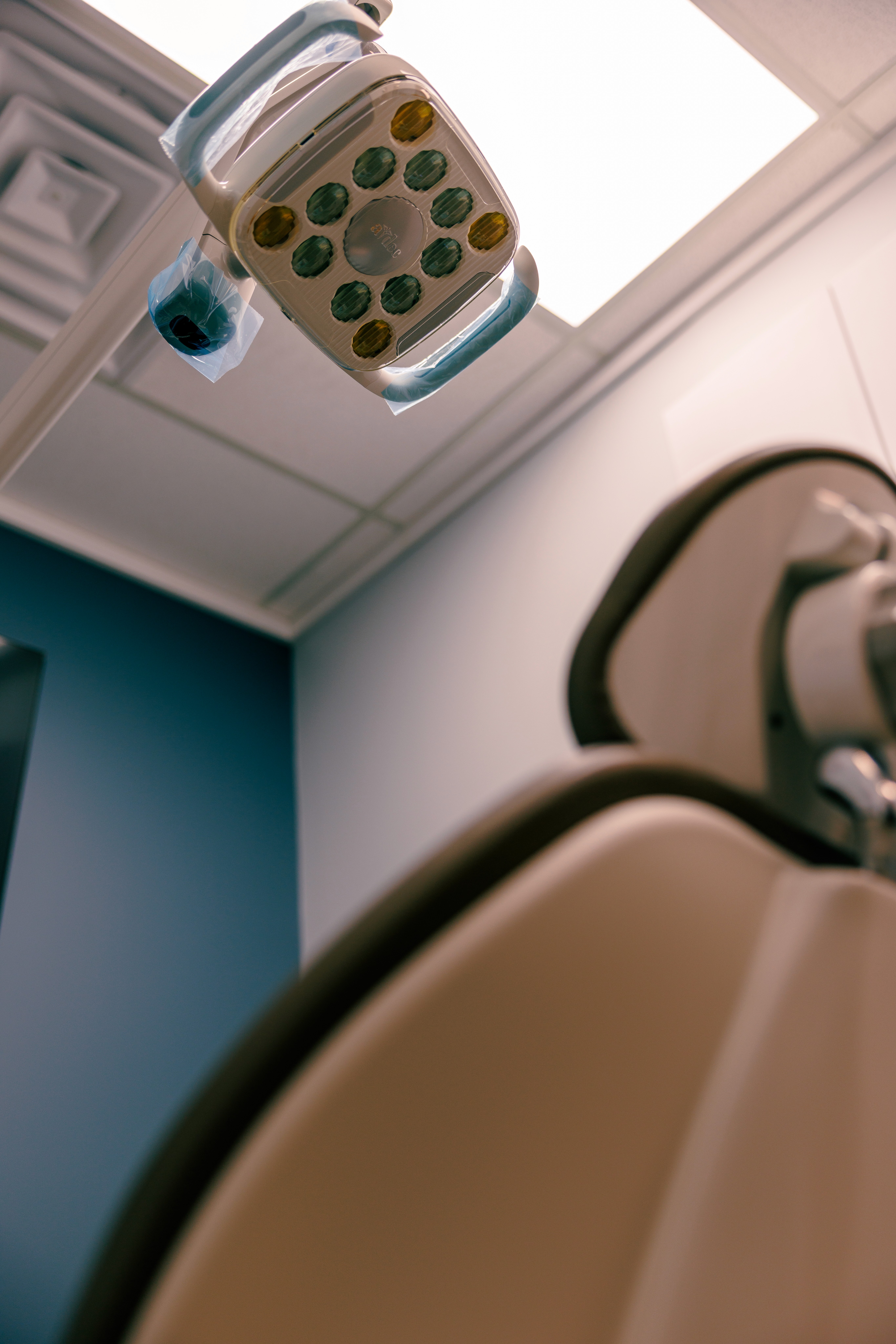
Sedation dentistry has emerged as a pivotal solution for individuals who experience anxiety or discomfort during dental procedures. By utilizing various sedation methods, patients can undergo necessary treatments with reduced stress and increased comfort, making dental visits more manageable. In this comprehensive guide, we will delve into the types of sedation options available in Middletown, their associated benefits, and valuable insights on patient experiences. This article aims to provide clarity on sedation dentistry, helping patients make informed decisions regarding their dental care. From understanding how different sedatives work to knowing what to expect during appointments, the information provided will greatly assist potential patients in navigating their options.
Types of Sedation Dentistry Available:
Sedation dentistry encompasses several techniques designed to enhance patient comfort during dental procedures. The most common types of sedation options available in Middletown include:
Nitrous Oxide Sedation: Often referred to as "laughing gas," nitrous oxide is inhaled and creates a sense of calm while allowing patients to remain awake and alert. Its effects are quick, and recovery is swift once the gas is stopped.
Oral Conscious Sedation: This method involves taking a prescribed sedative in pill form before a dental appointment. Patients typically remain awake but may have limited memory of the procedure afterwards.
IV Sedation: Administered through an intravenous line, this type allows for deeper sedation where patients can remain deeply relaxed throughout the treatment.
These diverse approaches ensure that each patient can receive the appropriate level of sedation based on their individual needs, preferences, and the complexity of the procedure. For immediate dental concerns, understanding the available emergency services is crucial. Our dental emergency services are equipped to handle urgent situations.
Benefits of Sedation Dentistry:
Sedation dentistry offers numerous advantages that can enhance the overall dental experience for patients. Some key benefits include:
Anxiety Reduction: Sedation significantly alleviates fear and anxiety associated with dental procedures, enabling patients to maintain a calm demeanor.
Enhanced Comfort: Procedures that may typically cause discomfort can be performed with increased patient relaxation, resulting in a more pleasant overall experience.
Efficiency in Treatment: With patients more at ease, dental professionals can work more efficiently, often completing procedures in less time than would otherwise be necessary.
These benefits highlight how sedation dentistry not only promotes a positive experience but also aids in the successful delivery of dental treatments. Regular check-ups and routine care are fundamental to oral health, and our general dentistry services cover all your preventive needs.
What to Expect During Procedures:
During dental procedures involving sedation, several key aspects ensure patient safety and comfort. Initially, the dental professional will discuss the sedation method chosen and explain its effects, ensuring patients are fully informed.
The process begins with the administration of the sedative, either through inhalation or intravenously, depending on the selected method. Patients are carefully monitored throughout the procedure, which typically includes checks on their vital signs to ensure safety. While some patients may have little to no memory of the procedure, others remain awake yet relaxed, allowing for communication with the dentist as needed. Patients should expect to feel drowsy and may require assistance getting home post-treatment due to lingering sedation effects.
Who Can Benefit:
Sedation dentistry can be advantageous for various groups of individuals, including but not limited to:
Patients with Dental Anxiety: Those who experience significant fear or anxiety at the thought of visiting the dentist benefit greatly from sedation methods.
Individuals Requiring Extensive Dental Work: Patients needing multiple procedures or significant work can receive treatment more comfortably under sedation.
Children and Sensitive Individuals: Young patients or those with heightened sensitivity to dental procedures often have improved experiences through sedation.
This tailored approach ensures that dental care is accessible and as stress-free as possible for all patient demographics. For those seeking straighter teeth without traditional braces, Invisalign offers a discreet and effective solution.
How Does Nitrous Oxide Sedation Work and Who Is It Best For?
Nitrous oxide sedation functions by being inhaled through a mask placed over the nose. It enters the bloodstream quickly, allowing for rapid onset of its calming effects. Patients remain fully conscious yet are in a state of deep relaxation, often describing feelings of euphoria. This technique is best for those with mild to moderate anxiety or for straightforward procedures such as cleanings or fillings. The benefit of nitrous oxide is its reversible nature; once the gas is no longer inhaled, patients return to their regular state almost immediately.
What Are the Benefits and Uses of Oral Conscious Sedation?
Oral conscious sedation involves consuming a sedative pill prior to the dental appointment, which allows for deeper relaxation than nitrous oxide. This method is beneficial for patients who have moderate anxiety and can tolerate oral medication. Its primary use is for minor to moderate procedures, such as fillings, extractions, and root canals. One significant advantage is that patients can retain some level of consciousness and responsiveness, allowing for real-time communication with the dental team while still being unaware of the procedure details.
How Does IV Sedation Enhance Comfort During Dental Procedures?
IV sedation provides a powerful alternative to manage pain and anxiety during dental procedures. The administration of sedatives directly into the bloodstream allows for precise control over the level of sedation, ensuring that patients remain comfortable throughout the treatment. This method is particularly effective for lengthy or complex procedures requiring extensive work, as patients may not have any memory of the treatment after recovery, enabling a more positive overall experience.
Which Procedures Commonly Use IV Sedation at Middletown Dental Care?
IV sedation is typically employed for more invasive dental procedures, including:
Wisdom Tooth Extractions: Surgical removal of wisdom teeth often requires sedation for proper patient comfort and pain management. Our specialists provide expert care for wisdom teeth extractions.
Root Canals: These procedures can be lengthy and complex, making sedation crucial for patient relaxation.
Dental Implants: The placement of implants involves surgical intervention that can be made more tolerable through sedation.
These examples underscore the suitability of IV sedation for significant dental interventions requiring enhanced patient care and comfort.
What Are the Patient Monitoring and Safety Protocols During IV Sedation?
Safety protocols during IV sedation involve meticulous patient monitoring to ensure health and well-being throughout the procedure. Key elements of these protocols include:
Oxygen Monitoring: Continuous assessment of blood oxygen levels using a pulse oximeter.
Vital Sign Checks: Regularly recording heart rate, blood pressure, and respiratory status to detect any changes.
Recovery Guidelines: Patients are observed until the sedation wears off completely, ensuring they are stable before leaving the facility.
These comprehensive safety measures reflect a commitment to patient health and comfort, providing peace of mind during procedures.
Who Is Eligible for Sedation Dentistry and How to Prepare for Your Appointment?
Eligibility for sedation dentistry typically includes a comprehensive evaluation of the patient's medical history and current health status. Factors considered may include:
Medical History: Patients with certain health conditions must be carefully assessed to determine safe sedation options.
Preparation Checklist: Guidelines for fasting or avoiding specific medications before the appointment are vital to ensure safety.
Post-Sedation Care: Patients are advised on aftercare, including resting after the procedure and arranging for someone to drive them home.
This preparatory work plays a crucial role in maximizing patient safety and comfort during sedation dentistry.
What Are the Key Safety Benefits and Aftercare Practices in Sedation Dentistry?
Post-sedation care is as important as the sedation process itself. Key aftercare practices include:
Encouraging Hydration: Patients should drink fluids to help flush out sedatives from their systems.
Monitoring Recovery: Rest is essential to allow the effects of sedation to diminish, ensuring a safe transition back to normal activities.
When to Seek Help: Patients are informed about signs indicating complications, such as excessive pain or prolonged drowsiness, necessitating further medical attention.
Following these practices enhances recovery and ensures a positive experience post-treatment.
How Does Sedation Dentistry Improve Patient Comfort and Procedure Success?
Sedation dentistry directly correlates with enhanced patient comfort during dental procedures. By addressing anxiety and pain management effectively, these methods contribute to:
Increased Patient Compliance: Patients are more likely to attend routine appointments and follow through with recommended treatments when sedation options are available.
Improved Treatment Outcomes: Studies indicate that comfortable patients are more cooperative, which can lead to quicker and more efficient procedures.
The therapeutic value of sedation dentistry extends beyond mere comfort; it fundamentally alters the overall success rate of dental interventions.
How Much Does Sedation Dentistry Cost in Middletown and What Insurance Options Are Available?
The cost of sedation dentistry in Middletown can vary based on the method used and the complexity of the procedure. Generally, costs may include:
Nitrous Oxide Sedation: Typically ranges from $50 to $150 per visit.
Oral Conscious Sedation: The price is often around $100 to $200, depending on the prescribed sedative.
IV Sedation: This may incur higher costs, ranging from $200 to $500 or more based on procedure specifics.
Several insurance plans may cover part of these sedation costs, particularly if deemed medically necessary, making it essential for patients to consult with their provider to understand coverage options.
Why Choose Middletown Dental Care for Your Sedation Dentistry Needs?
Middletown Dental Care emphasizes patient safety and comfort above all else in its sedation dentistry offerings. Our experienced staff undergo rigorous training to ensure the best practices are upheld for all sedation types. Additionally, we utilize advanced monitoring techniques to guarantee patient safety from start to finish. Those considering dental work can turn to us for comprehensive services tailored to individual needs, maintaining a commitment to quality care throughout the process.
What Advanced Technologies and Expertise Support Our Sedation Dentistry Services?
Middletown Dental Care is equipped with state-of-the-art technology that enhances the sedation experience. Key technologies include:
Advanced Monitoring Equipment: High-tech devices that continuously monitor patients' vital signs for optimal safety.
Digital Record Keeping: Efficient and secure management of patient records ensures personalized and up-to-date care.
Continuous Training Programs: Ongoing education for staff keeps them abreast of the latest techniques and safety protocols in sedation dentistry.
These contemporary tools reflect our dedication to providing the highest quality of care, ensuring every patient receives an optimal experience during their dental procedures.
How Do Patient Testimonials Reflect Satisfaction with Our Sedation Dentistry?
At Middletown Dental Care, patient satisfaction is continually prioritized, and numerous testimonials highlight the effectiveness of our sedation dentistry services. Patients frequently express relief regarding their anxiety levels during treatment and convey appreciation for the compassionate care they receive. The positive feedback reinforces our commitment to patient-centered services and emphasizes the critical role sedation plays in transforming the dental experience.
Should you require assistance with urgent dental issues, remember to contact us immediately. Our dental emergency services are available to address your needs promptly. For those considering advanced restorative options, dental implants offer a durable and natural-looking solution.
FAQ
Answers to your questions
Get quick, clear information about our services, appointments, support, and more
How do I book an appointment?
Do you accept walk-in patients?
What should I bring for my first visit?
Are your doctors licensed and experienced?
Can I reschedule or cancel my appointment?
Do you accept health insurance?
FAQ
Answers to your questions
Get quick, clear information about our services, appointments, support, and more
How do I book an appointment?
Do you accept walk-in patients?
What should I bring for my first visit?
Are your doctors licensed and experienced?
Can I reschedule or cancel my appointment?
Do you accept health insurance?
FAQ
Answers to your questions
Get quick, clear information about our services, appointments, support, and more
How do I book an appointment?
Do you accept walk-in patients?
What should I bring for my first visit?
Are your doctors licensed and experienced?
Can I reschedule or cancel my appointment?
Do you accept health insurance?
Areas We Serve
Serving neighboring Delaware and Maryland communities from our Middletown office.